
Last updated
What does OSHA actually require for handwashing on a job site?
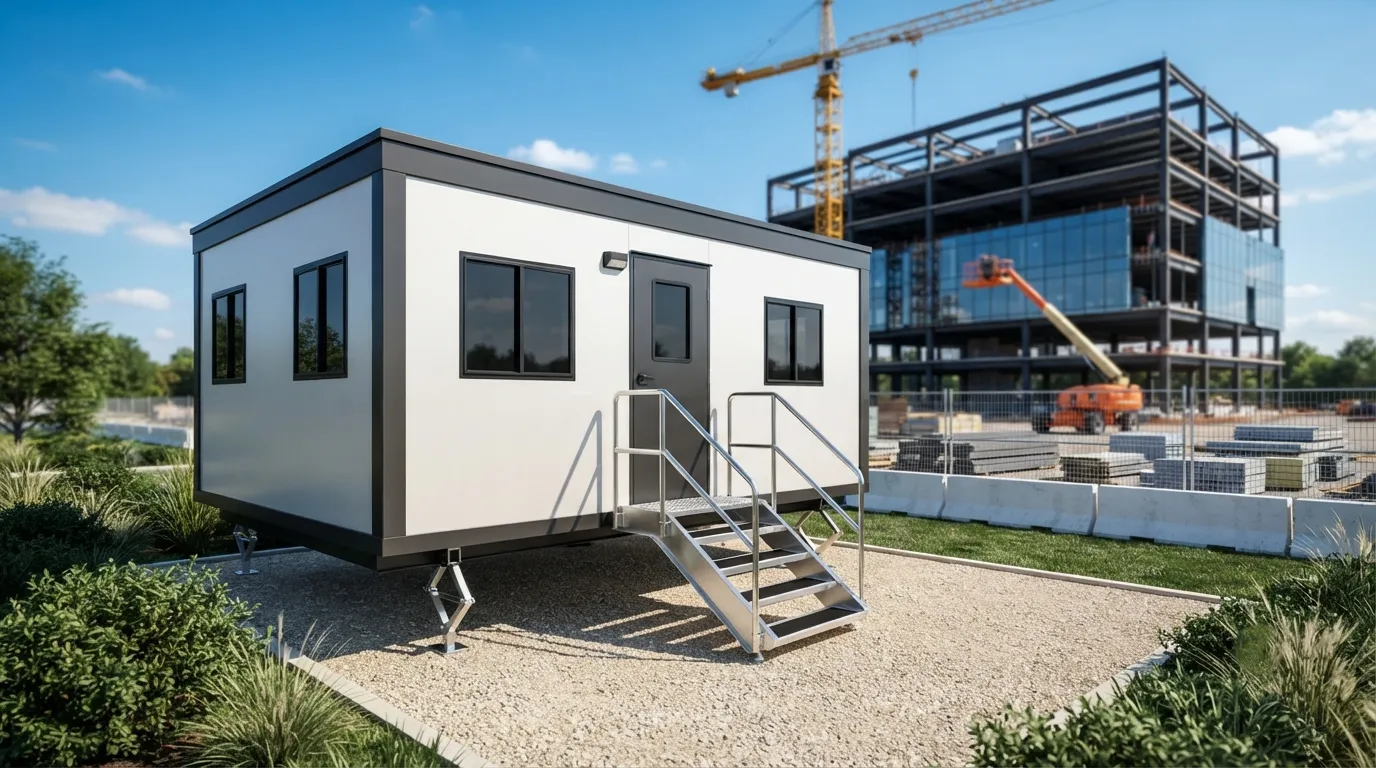
Two different rules cover two different situations, and contractors mix them up constantly. OSHA 1926.51(f)(1) applies specifically where workers apply paints, coatings, herbicides or insecticides, or handle other harmful contaminants. That is not a blanket handwashing mandate for every construction site. General toilet and sanitation counts come from OSHA 1926.51(c), which sets ratios by crew size: one toilet for 20 workers or fewer, then one toilet and one urinal per 40 workers up to 200. Neither rule specifies a station model, so you have flexibility on equipment. Once you know which rule applies, picking between a hand sanitizer station and a real handwashing station rental gets a lot easier, because sanitizer alone does not satisfy a washing requirement.
Why does soap and water matter more than hand sanitizer?
29 CFR 1910.141(d)(2) is explicit: washing facilities need soap and towels or a hand drying device, and hand sanitizer does not satisfy that requirement. That rule is written for general industry, but it is the standard most Baton Rouge inspectors and GCs point to when they ask what "washing facilities" actually means in practice. If your crew is degreasing equipment, applying coatings, or working near septic pumping or grease trap work, sanitizer stations are a supplement, not a substitute. A portable sink rental with a fresh water tank and soap dispenser covers both the letter of the rule and the practical need to actually get hands clean between tasks and lunch breaks.
Food trucks, agricultural crews and event vendors around Baton Rouge run into this rule often. Agricultural operations have their own standard: OSHA 1928.110 requires potable water, toilets and handwashing for hand-labor employees, at one facility per 20 employees, and it has to be within a quarter mile walk of the work area. That distance requirement matters if your crew is spread across a large field or farm site, which is common on jobs we support through farm and agricultural restrooms.
How many handwashing stations do I need for my crew size?
Match station count to crew size and layout, not just headcount. ANSI/PSAI Z4.3, the portable sanitation service standard, sets a baseline service interval of once per week for up to 10 users across a 40 hour week, which is a reasonable starting point for scheduling pickups even before you count units. For toilets, OSHA 1926.51(c) is the ratio to follow: one unit per 20 workers, then one toilet and one urinal per 40 up to 200 workers, and one per 50 once you hit 200 or more. Pair each cluster of toilets with a nearby handwashing station rather than one station for the whole site. Spread-out sites, like a subdivision build near Central or a multi-phase job stretching toward Baker, need stations at each active work zone, not just at the trailer. For exact unit counts by crew size, the how many porta potties do I need guide walks through the math side by side with the OSHA ratio.
Water supply matters too. OSHA 1926.51(a)(1) requires an adequate supply of potable water at all places of employment, which is why a handwashing station needs a filled tank on delivery and refills on the same schedule as your portable toilet rental service, not an afterthought.
Are handwashing stations required at events and food service sites?
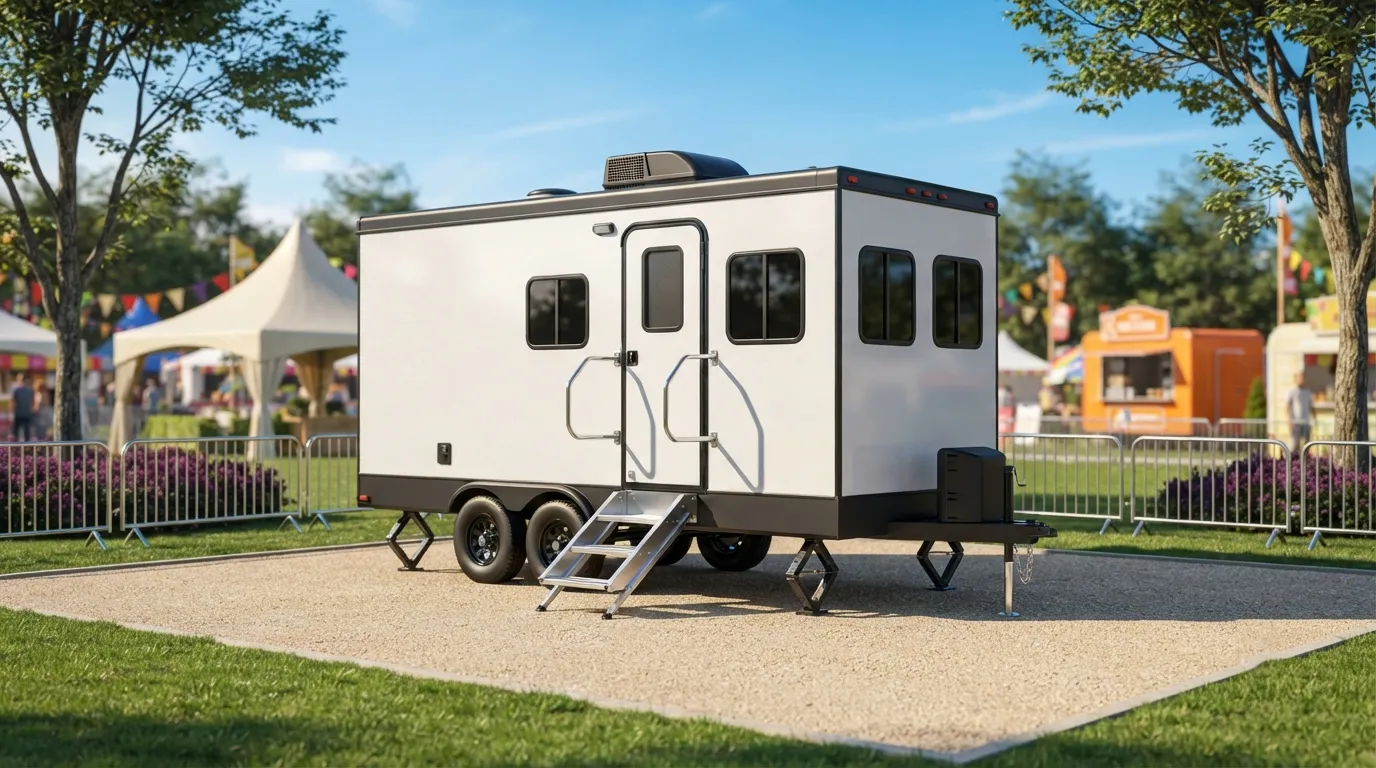
Yes, if food is served or prepared, and most Baton Rouge event venues expect it even without a formal citation. Weddings, festivals and concerts all draw a different crowd than a construction crew, and vendors handling food need soap and water within reach, not just a sanitizer pump. If you are planning a wedding restroom rental or coordinating a larger festival restroom rental, pair each food vendor row with its own portable sink station rather than relying on the restroom trailer sinks alone. A restroom trailer rental with built-in sinks can cover guest handwashing, but food handlers usually need a dedicated station closer to the serving line. The same logic applies to county fair restrooms and golf tournament concessions, where health inspectors check for soap and towels, not just water access.
Renting is simple. Delivery fees for handwashing stations follow the same delivery pricing used across our other equipment, and weekly service typically includes a refill and restock visit. If your event site sits out toward Zachary, about 19.1 miles north of Baton Rouge, or closer in around Inniswold, just 5.5 miles southeast, delivery scheduling works the same way: book early enough that trucks have clear access to the site.
Do I need a handwashing station if I already have a flushable restroom trailer?
Often not a separate unit, since most restroom trailers include built-in sinks with running water. But food vendors and painting crews still need a dedicated washing station near their actual work area, since walking to a distant trailer defeats the purpose of quick handwashing between tasks.
What is the difference between a handwashing station and a hand sanitizer station?
A handwashing station has a water tank, soap dispenser and towels, satisfying 29 CFR 1910.141(d)(2). A hand sanitizer station is just a sanitizer pump, which does not meet washing facility requirements after contaminant exposure.
Do construction sites in Baton Rouge need handwashing stations by law?
Where paints, coatings, herbicides or insecticides are used, OSHA 1926.51(f)(1) requires washing facilities. Standard sanitation counts fall under 1926.51(c). Check with your GC, since many Baton Rouge sites provide stations regardless of exact trade mix.
How often are handwashing stations serviced?
Weekly service is standard for moderate crews, matching the ANSI/PSAI Z4.3 baseline interval. High-traffic sites or food service events often need refills more often. Ask about adding service visits during booking.
Can I rent just one handwashing station for a small job?
Yes. Single-unit rentals work fine for small crews or short jobs. For exact counts against crew size, see how many porta potties do I need or request a quote directly from Baton Rouge Porta Pros.
Next step
Get a delivery date
Tell us the address, the dates and the headcount. We size the order and confirm the route.